
Concrete Flatwork Before Winter: Driveways, Patios, and Slabs in Missouri
Fall Is Concrete Season in Missouri
Ask any contractor in central Missouri when to pour concrete, and most will say fall. The summer heat that makes concrete set too fast is gone, the ground is still workable, and the weather is dry enough to get a proper finish. Concrete flatwork, the driveways, patios, walkways, and slabs that sit on or near the ground, is one of the best fall projects a homeowner can plan. Do it now, and your driveway, patio, or barn pad is ready before the ground freezes.
What Concrete Flatwork Includes
- Driveways and parking areas
- Patios and walkways
- Garage and shop slabs
- Barn and equipment pads
- Porch foundations and step pads
All of these start the same way: with the ground prepared underneath.
Why Fall Is the Right Time
Concrete work is weather-sensitive. In summer, Missouri heat can dry concrete too fast, which leads to cracking and weak surfaces. In winter, freezing temperatures can damage fresh concrete before it cures. Fall splits the difference: cool days, dry ground, and enough time for the concrete to cure properly before the first hard freeze. Fall is also the time when most excavation and site preparation crews have openings, so scheduling is easier than in the spring rush.
What a Quality Pour Involves
A concrete slab is only as good as what is underneath it. A quality flatwork project includes:
- Site preparation. The area is cleared, excavated to the right depth, and leveled. Poor ground preparation is the number one cause of cracked and settled slabs.
- A proper base. Most projects need a compacted gravel base so the slab has stable support and water can drain.
- Forms and reinforcement. Wood or steel forms hold the concrete in shape, and rebar or wire mesh strengthens the slab against cracking.
- Expansion joints. Joints are cut or formed into the slab so it can move with temperature changes without cracking randomly.
- Finishing and curing. The surface is floated and finished, then kept moist while it cures. Curing takes days, and cold weather slows it down.
Why the Ground Prep Matters Most
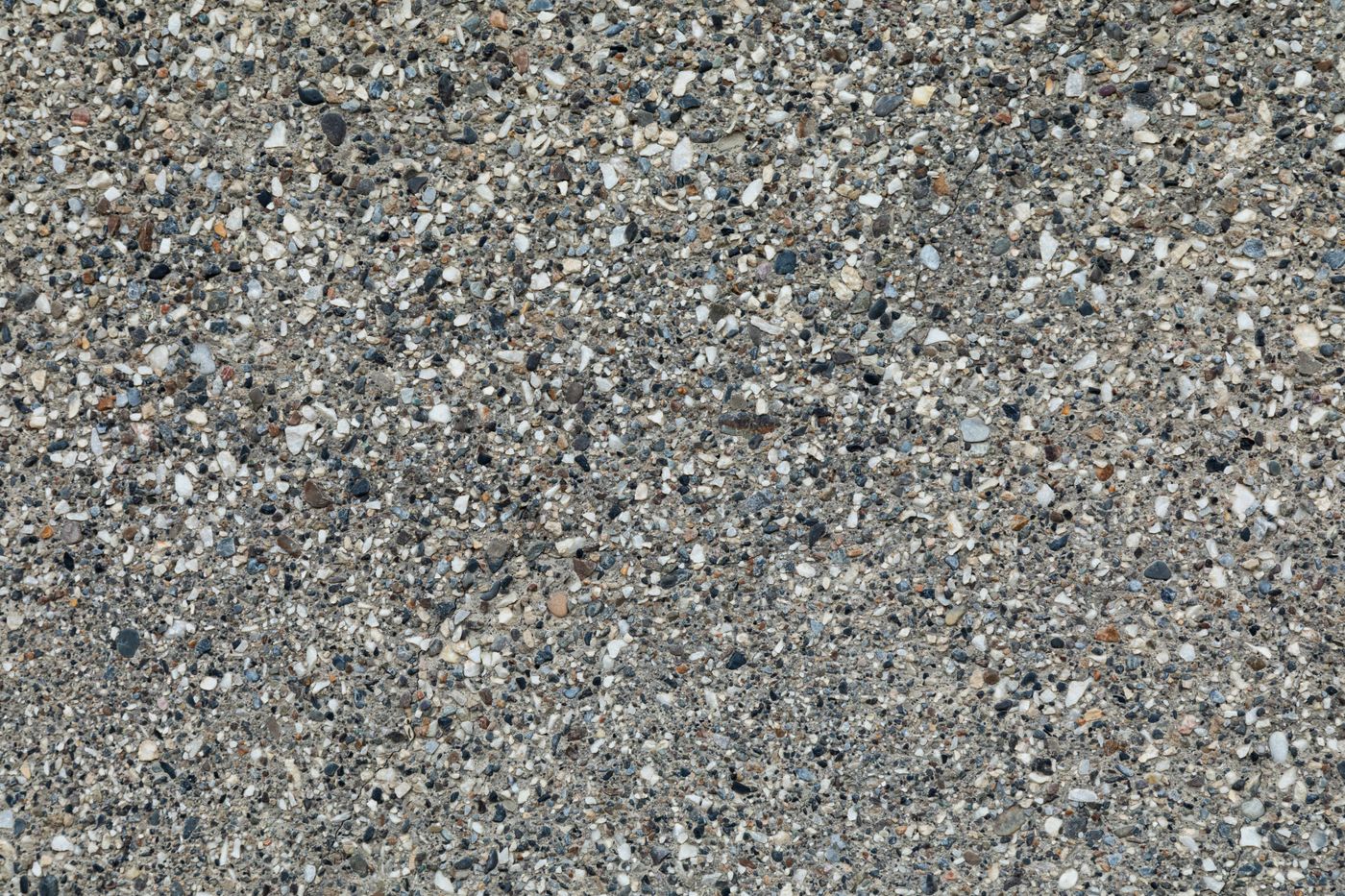
The single biggest factor in whether a slab lasts 5 years or 50 is what happens before the concrete truck arrives. The area should be excavated to the right depth, with soft or organic soil removed. Then a gravel base is placed and compacted in layers, which gives the slab stable support and lets water drain away instead of pooling underneath. The forms should be level and square, and the site should be sloped so water runs away from buildings and low spots. Skipping these steps to save a little time is the most expensive shortcut a homeowner can take.
Common Mistakes to Avoid
- Pouring on wet or soft ground, which leads to settling and cracks
- Skipping the gravel base to save money, then paying for it later
- Pouring when freezing temperatures are expected within a few days
- Forgetting expansion joints, so the slab cracks wherever it wants
- Ordering too little concrete, which forces a weak cold joint
Caring for Concrete After the Pour
A new slab needs a little patience. Keep vehicles and heavy equipment off the concrete while it cures, usually about a week depending on the weather and the mix. Keep the surface from drying out too fast, especially on warm, windy days. In the winter, ask your contractor about deicing products that are safe for new concrete, since some common ice melters can damage a fresh surface. Small habits, like sweeping instead of pressure washing, also keep a driveway looking new for years.
How Long Does a Concrete Project Take?
A typical residential driveway or patio is a one or two day job for the crew: a prep day for excavation, base, and forms, then a pour day for the concrete and finishing. The concrete itself needs several days of curing before heavy use, and cold weather stretches that window. That is why scheduling matters in the fall: we want the pour done with enough warm days behind it to cure properly before the first hard freeze. Most homeowners can plan a project comfortably between September and mid-November in central Missouri.
Questions to Ask Before You Book
- Does the quote include excavation, base rock, and compaction, or is that extra?
- What thickness and reinforcement does this project need?
- Where will the expansion joints go, and will the surface be brushed or finished smooth?
- What is the plan if weather turns cold or rainy on pour day?
Good contractors answer these without hesitation, and they inspect the site before quoting, not after. A written quote with these details spelled out protects both sides, and we are happy to provide one for every flatwork project, no matter the size.
Good contractors answer these without hesitation, and they inspect the site before quoting, not after.Plan Now, Pour Before the Freeze
Fall windows close fast. If you are thinking about a new driveway, patio, or slab, call now to get on the schedule before the ground freezes. C and C Land Maintenance handles site preparation and concrete flatwork across Johnson, Lafayette, Cass, Henry, Pettis, and Saline counties in Missouri. We prepare the ground, pour the concrete, and finish the job right. Tell us the project and the dimensions, and we will walk you through the base, the thickness, and the finishing details so there are no surprises on pour day.
Call (660) 217-1596 or request a quote online, Monday through Saturday, 7:00 AM to 5:00 PM.