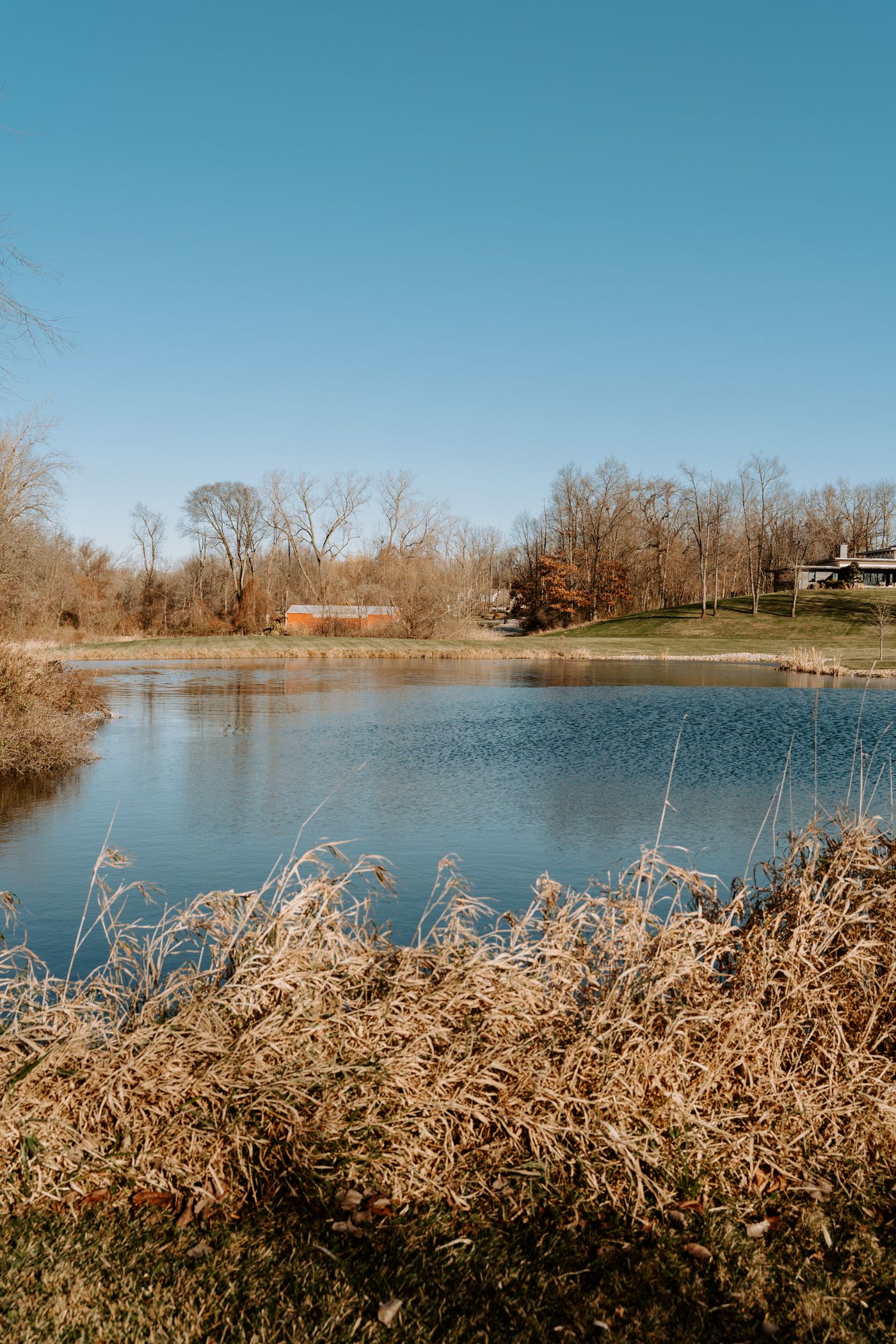
Why Fall Is a Great Time for Pond Construction in Missouri
Missouri Is Pond Country
Missouri is a pond state. The Missouri Department of Conservation estimates there are more than 300,000 privately owned ponds and lakes across the state, providing water for homes, livestock, crops, and fishing (MDC: Ponds, Construction and Maintenance). If you own acreage in Johnson County or the surrounding area, a pond may already be on your wish list. The good news: fall is one of the best times of year to build one.
Why Fall Works for Pond Construction
Pond construction is a big excavation project, and the season matters more than most people realize. Fall offers several advantages:
- Workable ground. Summer heat dries and hardens Missouri soil, and winter freezes it. Fall temperatures soften the ground just enough to dig efficiently without the mud of spring.
- Lower evaporation. Cooler fall weather means less water loss while the pond basin is filling, which helps the new pond hold water sooner.
- Time to settle. A pond built in the fall has the winter to let the dam and basin settle, so problems show up before the busy spring season.
- Contractor availability. Fall is less frantic than spring for excavation crews, which often means better scheduling and more attention to your project.
What Goes Into a Pond
A good pond is more than a hole in the ground. The Missouri Department of Conservation's Pond Handbook covers the basics: choosing a site with the right drainage area, building a proper dam with a watertight core, controlling the watershed, and planning for the pond's future use, whether that is fishing, livestock, or wildlife (MDC: Missouri Pond Handbook).
An experienced excavation contractor handles the heavy lifting: clearing the site, stripping topsoil, digging to the planned depth and shape, building the dam and spillway, and finishing the slopes so they hold up to weather and waves.
What a Good Pond Needs
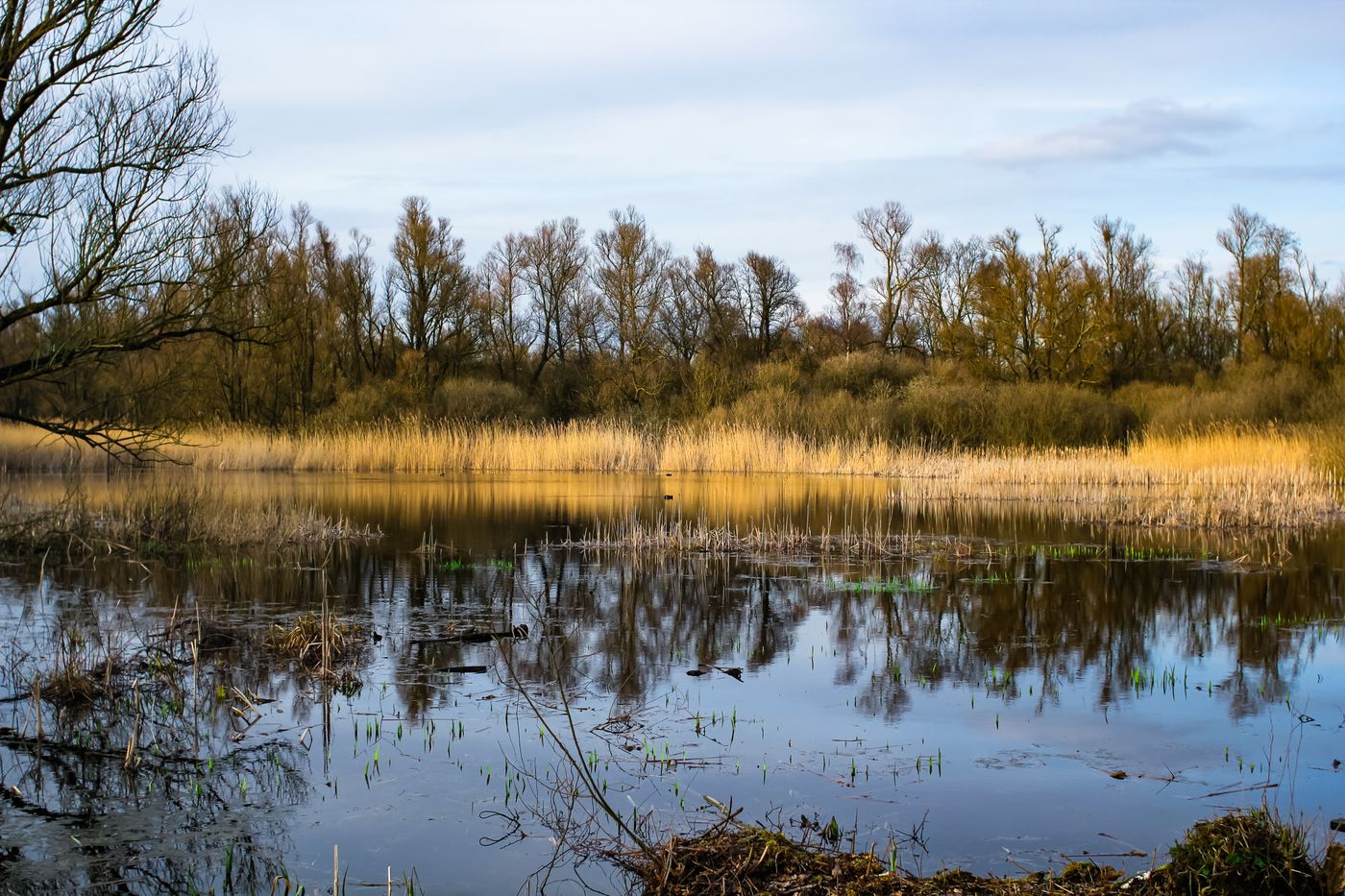
Experienced builders follow a few proven rules. The Missouri Department of Conservation's pond guidance calls for a site that can hold water, with enough watershed to keep the pond full. The deepest area should be at least 6 to 7 feet, and more than half the pond should be 5 feet deep or more. The dam needs to be built properly: wide enough on top, with a clay core in many Missouri soils to stop seepage, and a spillway sized for heavy rain (MDC: Ponds, Construction and Maintenance).
The bank and dam slopes should be seeded or mulched as soon as construction is done. Bare soil erodes quickly under Missouri rain, and silt washing into a new pond can steal its depth in a single season. A temporary cover like winter wheat or rye holds the soil until spring grass takes over.
Common Pond Mistakes
- Too little watershed. A pond built in a spot that does not drain enough land will never fill properly.
- Wrong soil. Sandy or gravelly ground will not hold water without a liner or a clay core.
- No spillway. Every pond needs a way to handle heavy rain; without one, the dam can wash out.
- Bare banks. Leaving the basin and dam unseeded leads to erosion and a silted-in pond.
- Trees on the dam. Roots weaken the dam over time and increase the risk of leaks or failure.
Permits and Planning
Before any dirt moves, make sure your project follows the rules. Pond construction in Missouri can require permits or reviews depending on your county, the size of the pond, and its location relative to streams and property lines. Your local county office is the place to start, and a contractor familiar with the area can help you navigate the process. Planning the pond's purpose early also matters: a fishing pond needs different depth and shape than a livestock watering pond.
What to Expect From a Fall Build
A typical residential pond project takes days to weeks depending on size and site conditions. In the fall, expect the contractor to work around weather, because heavy rain can halt excavation. After construction, the bare slopes should be seeded or mulched right away, often with a temporary cover like winter wheat or rye, which holds the soil until spring grass establishes. That first winter is also when the basin fills: fall and winter rains do most of the work, so a fall build often means a full pond by spring. It is also the right time to take soil samples from the basin, since Missouri soils are often low in pH and benefit from lime before the pond fills.After construction, the bare slopes should be seeded or mulched to establish grass before winter, which prevents erosion during the first spring rains. By the time the ground thaws, you will have a settled, ready-to-fill pond basin.
Ready to Dig?
C and C Land Maintenance builds ponds across Johnson, Lafayette, Cass, Henry, Pettis, and Saline counties in Missouri. We handle site preparation, excavation, and finishing, and we work with you from planning to the last pass of the dozer. A well-built pond can outlive the house beside it, which is why getting the site and the soil right matters more than the size of the machine doing the digging.We handle site preparation, excavation, and finishing, and we work with you from planning to the last pass of the dozer. We will walk your property with you, talk through the pond's purpose, and give you an honest recommendation on site and size before we ever fire up the dozer.
Call (660) 217-1596 or request a quote online, Monday through Saturday, 7:00 AM to 5:00 PM.